When Death Wasn't Enough to Escape Justice
Picture this: Rome, 897 AD. Inside the Lateran Palace, a solemn trial is underway. The defendant sits silently in the dock, dressed in full papal regalia, facing serious charges of perjury and violating canon law. There's just one problem — the accused has been dead for seven months, and his corpse is already showing significant signs of decay.
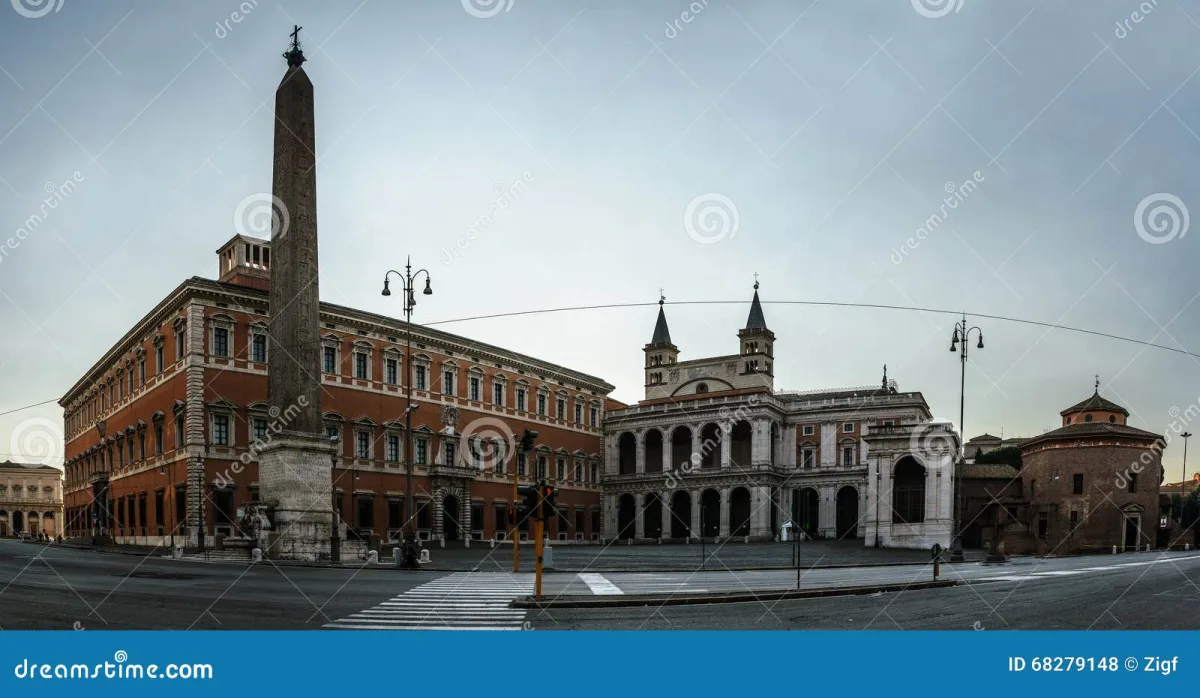 Photo: Lateran Palace, via thumbs.dreamstime.com
Welcome to the Cadaver Synod, quite possibly the most macabre legal proceeding in human history, where Pope Stephen VI decided that death was no excuse for escaping accountability.
Grave Robbery with a Purpose
The story begins with a power struggle that makes modern politics look tame. When Pope Formosus died in 896 AD, he left behind a complicated legacy involving disputed papal elections, political alliances, and enough enemies to fill the Colosseum. His successor, Pope Stephen VI, harbored such intense hatred for Formosus that even death couldn't satisfy his need for revenge.
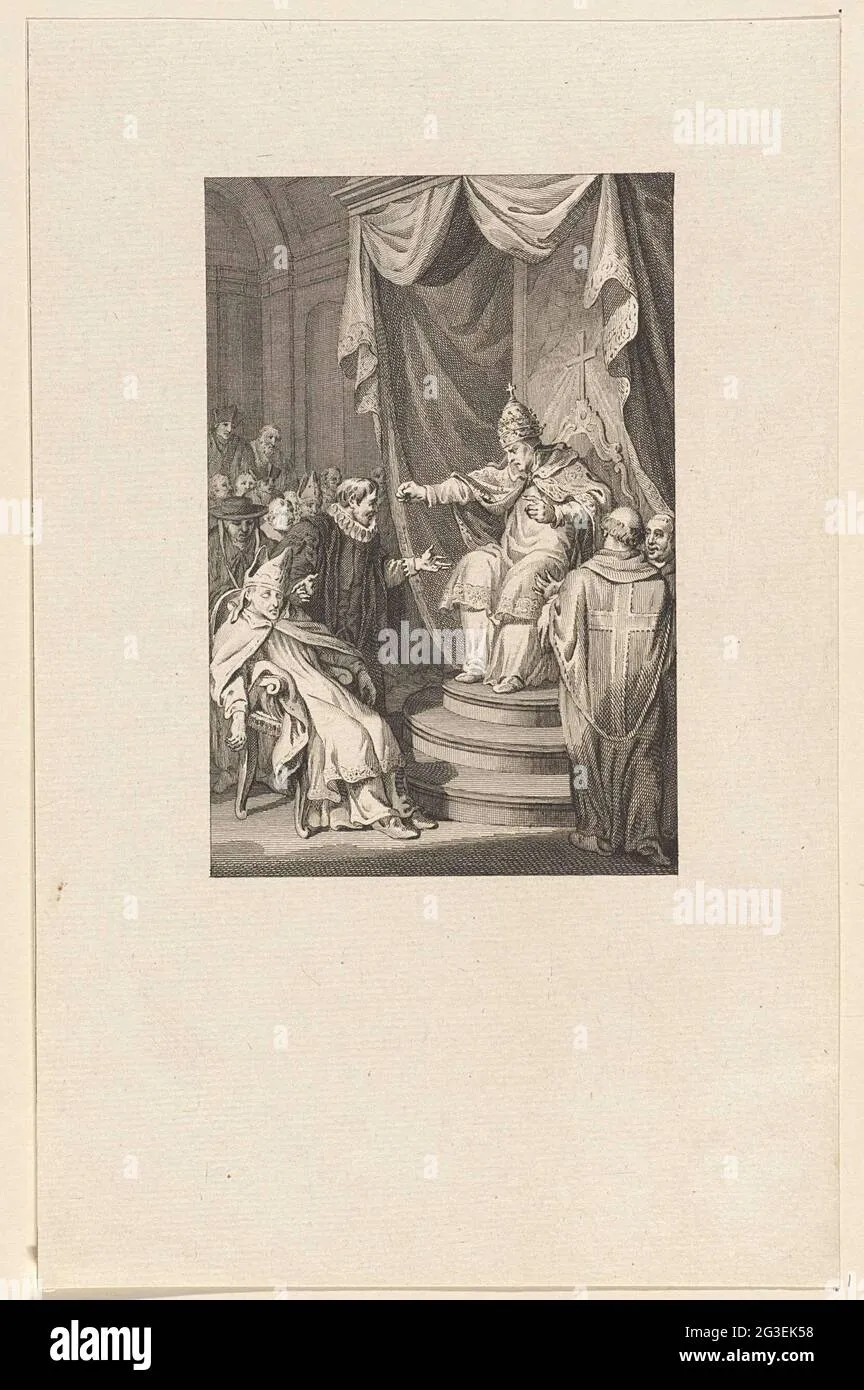 Photo: Pope Formosus, via c8.alamy.com
So Stephen did what any reasonable person would do: he ordered Formosus's corpse exhumed from its tomb in St. Peter's Basilica.
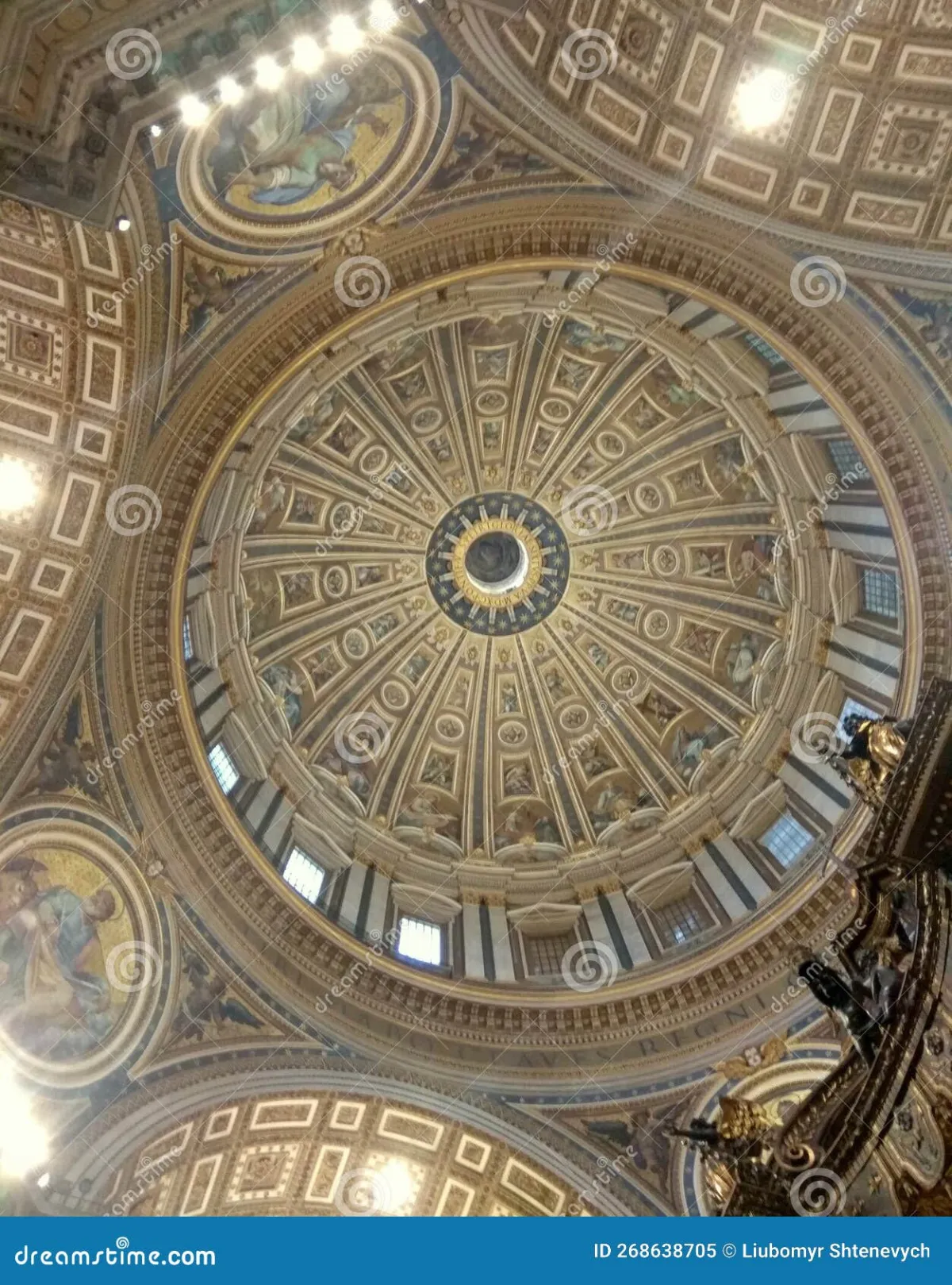 Photo: St. Peter's Basilica, via thumbs.dreamstime.com
The decomposed body was then dressed in the full papal vestments — the ornate robes, the ceremonial miter, everything — and propped up on a throne in the papal courtroom. A deacon was appointed to speak on behalf of the deceased defendant, though one imagines this was among the more challenging legal assignments in medieval Rome.
The Trial of the Century (Literally)
The charges against the rotting pope were serious by medieval standards. Stephen accused Formosus of accepting the papacy illegally, violating canon law by moving between episcopal sees, and committing perjury during his papal election. These weren't trivial accusations — they struck at the very legitimacy of Formosus's reign and, by extension, every decision he'd made as pope.
The trial followed formal legal procedures, complete with witness testimony and evidence presentation. The appointed deacon gamely attempted to defend his silent, decomposing client, but let's be honest — it's hard to mount an effective defense when your client is literally falling apart in the witness chair.
Stephen VI served as both prosecutor and judge, delivering passionate speeches about Formosus's alleged crimes while the accused sat in increasingly fragrant silence. Contemporary accounts describe Stephen as becoming increasingly agitated during the proceedings, shouting accusations at the corpse as if expecting a response.
Guilty as Charged (and Decomposed)
Unsurprisingly, Pope Formosus was found guilty on all counts. The sentence was swift and comprehensive: all of his papal acts were declared invalid, his ordinations were voided, and his titles were stripped posthumously. In a final act of judicial theater, the corpse was re-dressed in simple clothing and unceremoniously dumped into the Tiber River.
But the Cadaver Synod's impact extended far beyond symbolic revenge. By invalidating Formosus's papal acts, Stephen created chaos throughout the Catholic Church. Every priest ordained by Formosus suddenly found their authority questioned, every decision he'd made as pope was now legally void, and the entire papal succession became a constitutional nightmare.
The Boomerang Effect of Cosmic Justice
If Stephen VI thought putting his predecessor on trial would solidify his own power, he miscalculated spectacularly. The Cadaver Synod horrified even medieval sensibilities, and public opinion turned sharply against the pope who would desecrate a grave for political gain.
Within months, Stephen's enemies had organized. A popular uprising swept through Rome, and Stephen was deposed, imprisoned, and ultimately strangled to death in prison. The irony was not lost on contemporary observers: the pope who put a dead man on trial was himself dead within the year.
The Papal Zombie Apocalypse
The story gets even weirder. Stephen's successor, Pope Theodore II, immediately overturned the Cadaver Synod's verdict and ordered Formosus's remains retrieved from the Tiber River. The decomposed corpse was re-interred with full papal honors in St. Peter's Basilica.
But then Pope Sergius III came to power and reversed Theodore's reversal, once again declaring the Cadaver Synod valid. For decades, the Catholic Church couldn't decide whether Formosus was a legitimate pope or a criminal, leading to what historians now call the "pornocracy" — a period when papal politics descended into complete chaos.
Medieval Justice at Its Finest
The Cadaver Synod reveals something darkly fascinating about medieval concepts of justice and accountability. In Stephen VI's worldview, death didn't absolve someone of their crimes — it simply required more creative legal procedures to achieve justice.
This wasn't entirely unprecedented in medieval Europe. Trial by ordeal, posthumous excommunications, and even trials of animals were accepted legal practices. But putting a decomposing pope on trial in full papal regalia represented a special level of commitment to the principle that no one, living or dead, was above the law.
A Legacy of Legal Lunacy
The Cadaver Synod stands as perhaps the most extreme example of posthumous prosecution in human history. It demonstrates how political hatred can drive people to extraordinary lengths, even when those lengths involve grave robbery and conducting legal proceedings with a rotting corpse.
More importantly, it shows how quickly justice can become injustice when legal systems are weaponized for personal revenge. Stephen VI's attempt to use the courts to settle old scores ultimately destroyed his own papacy and threw the Catholic Church into decades of constitutional crisis.
Today, the Cadaver Synod is remembered as one of the most bizarre episodes in papal history — a reminder that even in the supposedly civilized halls of religious authority, human nature can drive people to acts of stunning absurdity. It's a story so strange that if it appeared in fiction, readers would dismiss it as unrealistic.
But in 897 AD Rome, apparently, even death was no excuse for missing your court date.