Double Vision: When Two Florida Cities Threw Competing Super Bowl Parties and Nobody Won
The Setup for Municipal Madness
Some bureaucratic disasters are so perfectly absurd they sound like rejected scripts from a government satire. But in January 1985, the twin cities of Palmetto and Bradenton, Florida, managed to create a real-life farce that would make even the most cynical political comedian jealous.
It all started with Super Bowl XIX—the San Francisco 49ers versus the Miami Dolphins. With a Florida team in the championship game, every municipality in the state wanted to capitalize on the excitement. Both Palmetto and Bradenton decided to host official city-sponsored Super Bowl viewing parties in their respective downtown areas.
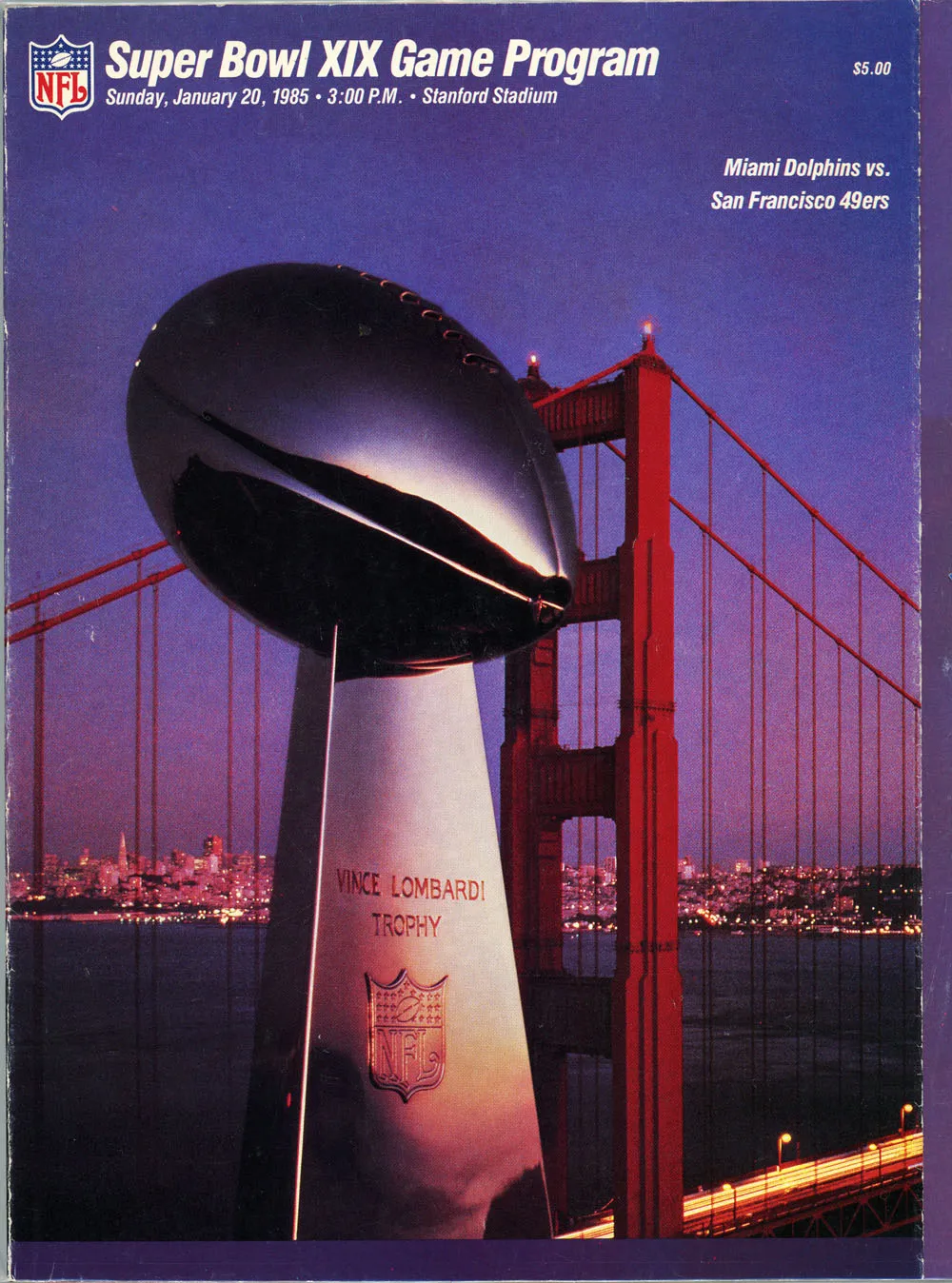 Photo: Super Bowl XIX, via mintstateinc.com
What nobody realized was that a single filing error was about to turn friendly municipal competition into the most ridiculous government standoff in Florida history.
The Paperwork That Started a War
The trouble began six weeks before the Super Bowl when both cities applied for special event permits through the same regional office. Palmetto's city clerk, Margaret Henderson, filed an application to close Main Street for their "Official Super Bowl Sunday Celebration." Three days later, Bradenton's event coordinator, Dave Kowalski, submitted nearly identical paperwork for their "Official Super Bowl Sunday Festival."
Both applications landed on the desk of regional coordinator Linda Martinez, who was covering for a colleague on vacation. Martinez approved both permits without noticing they were for events happening less than two miles apart—on the same day, at the same time, with nearly identical names.
The permits were processed, fees were paid, and both cities received official state authorization to host what each believed was the region's only sanctioned Super Bowl celebration.
When Reality Collided
For weeks, Palmetto and Bradenton proceeded with their planning in blissful ignorance. Both cities ordered identical inflatable screens. Both hired the same catering company (who somehow failed to notice they'd been double-booked). Both printed flyers advertising their event as the area's "premier Super Bowl experience."
The first hint of trouble came when a local newspaper reporter called Palmetto's mayor asking about "the competition" with Bradenton. Mayor Patricia Gomez was confused—what competition? As far as she knew, Palmetto was hosting the only official Super Bowl party in the area.
A few phone calls later, the horrible truth emerged. Both cities had valid permits. Both had spent thousands of dollars on preparations. Both had advertised their events across southwest Florida. And both were absolutely convinced they had the exclusive right to host the region's official Super Bowl celebration.
The Great Municipal Standoff
What happened next would have been hilarious if it weren't so expensive. Instead of working together or canceling one event, both cities doubled down. This wasn't just about a football party anymore—it was about municipal pride.
Palmetto's city council held an emergency meeting and declared that their permit had been filed first, making theirs the "authentic" celebration. Bradenton's council responded by pointing out that their city was larger and had better parking, making them the "logical" choice for the official event.
Both cities threatened to sue the regional permitting office. Both demanded the other city's permit be revoked. Both hired lawyers to prove they were the rightful host of what was essentially a glorified tailgate party.
Meanwhile, the regional office was in chaos. Linda Martinez had been placed on administrative leave pending an investigation. Her supervisor was frantically trying to figure out how to retroactively cancel a permit without opening the county to a lawsuit. And the state attorney general's office was fielding increasingly frantic calls from two cities demanding legal intervention in their Super Bowl dispute.
The Media Circus
By the week before the Super Bowl, the story had gone national. CNN sent a crew to cover what they dubbed "The Battle of the Bowls." Sports Illustrated ran a sidebar about the "Florida Football Fiasco." Late-night talk show hosts were making jokes about the two cities that couldn't figure out how to share a football game.
Both mayors appeared on competing morning shows. Palmetto's Patricia Gomez went on Good Morning America to explain why her city's celebration was the "genuine" event. An hour later, Bradenton's Robert Chen appeared on Today to argue that his city's party was the "official" one.
Local businesses were caught in the middle. Some restaurants bought advertising for both events. Others chose sides and found themselves boycotted by residents of the opposing city. The whole region was treating a municipal scheduling error like a civil war.
The Solution Nobody Wanted
Three days before the Super Bowl, Florida's Secretary of State finally intervened. In a Solomon-like decision that satisfied no one, the state ruled that both permits were valid but neither city could claim to be hosting the "official" celebration.
Both cities were required to remove the word "official" from all their advertising. Both had to include disclaimers that theirs was "one of several regional Super Bowl events." And both had to publicly acknowledge that the other city's celebration was equally legitimate.
It was the bureaucratic equivalent of forcing two children to apologize and shake hands after fighting over a toy.
Super Bowl Sunday: A Tale of Two Parties
On January 20, 1985, both cities held their Super Bowl parties. Palmetto drew about 3,000 people to their downtown celebration. Bradenton attracted roughly 2,500 to theirs. Both events were well-organized, family-friendly, and perfectly enjoyable.
The Miami Dolphins lost to the San Francisco 49ers, 38-16. Most attendees at both parties had a great time watching the game, eating barbecue, and enjoying the Florida sunshine. The only people who seemed genuinely unhappy were the mayors, who spent the entire game fielding questions from reporters about their "municipal feud."
The Lasting Legacy
The Palmetto-Bradenton Super Bowl incident became a cautionary tale in Florida municipal law training. The state overhauled its special event permitting process to prevent similar conflicts. Regional coordinators are now required to cross-reference all applications for potential conflicts.
Both cities eventually laughed about the incident, though it took several years. In 1990, they began co-hosting an annual "Twin Cities Super Bowl Celebration"—a joint party that acknowledges their shared history of bureaucratic chaos.
The regional permitting office still keeps a framed newspaper clipping about the incident on the wall, with a note that reads: "Remember: Always check twice."
Sometimes the most ridiculous government failures are the ones that remind us that behind every official process are fallible humans who occasionally make mistakes that turn football parties into constitutional crises.