When Filing Paperwork Twice Creates a Legal Nightmare
Imagine living in a town where you could choose which government to pay taxes to, which mayor to vote for, and which set of laws applied to your property — all based on your mood that day. For residents of what should have been the simple farming community of Riverside, Iowa, this wasn't a thought experiment. It was daily life for over thirty years.
In 1903, ambitious civic leaders in this corner of Johnson County filed incorporation papers with the state, officially establishing the town of Riverside with clearly defined boundaries that included the existing settlement plus a valuable stretch of farmland to the east. Everything seemed straightforward until 1908, when a new batch of town officials — apparently unaware of the earlier filing — submitted what they believed were the community's first-ever incorporation documents.
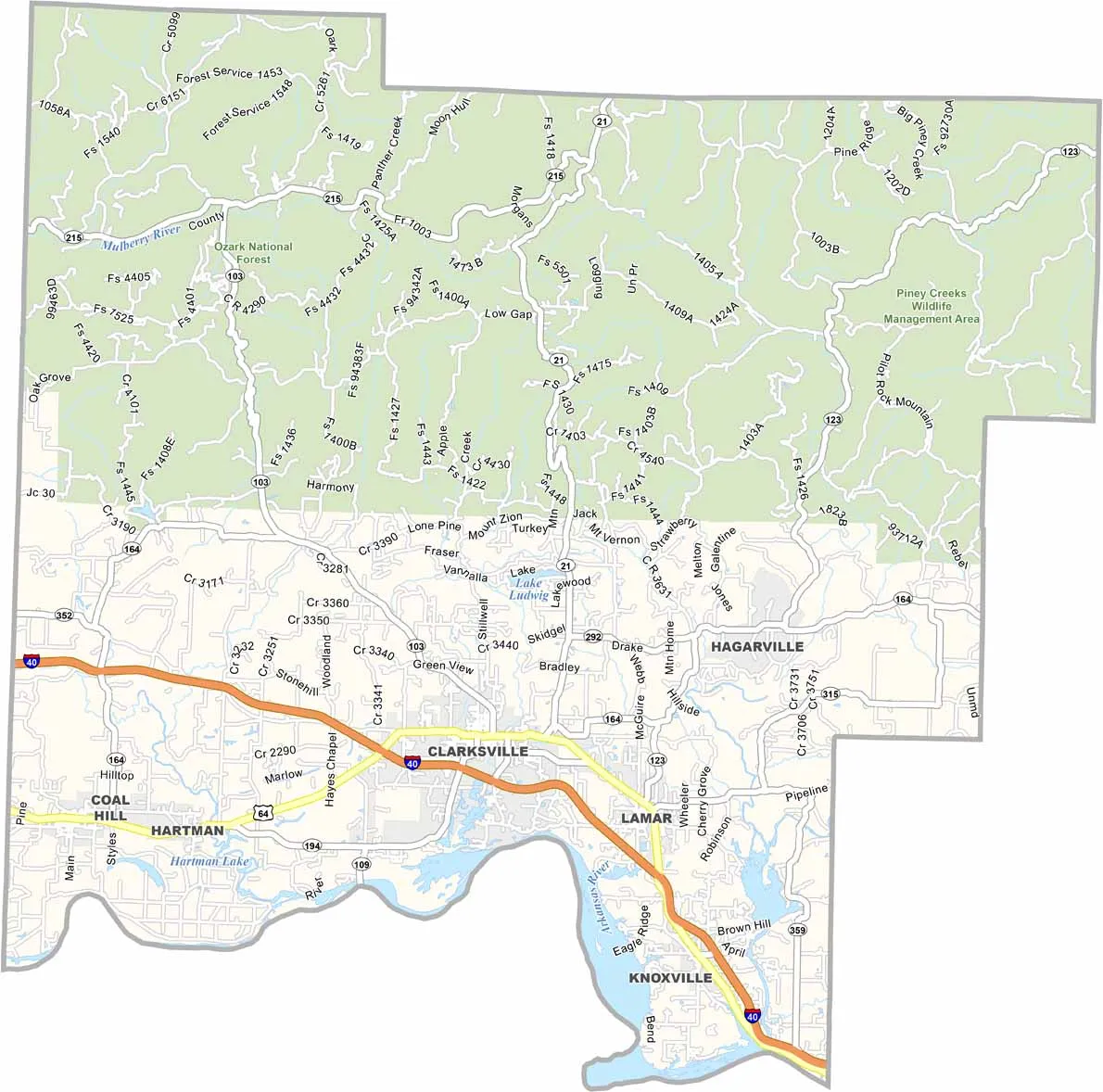 Photo: Johnson County, via uscountymaps.com
The problem? The second filing used slightly different boundary descriptions, creating a second legal entity called Riverside that overlapped almost perfectly with the first one, but with a few crucial differences in property lines.
Two Towns, Same Name, Endless Confusion
State bureaucrats, overwhelmed by paperwork from dozens of new communities across Iowa, simply rubber-stamped both filings without cross-referencing them. Suddenly, the same geographic area was home to two separate municipalities, each with equal legal standing under Iowa law.
The confusion might have been sorted out quickly, except for one crucial detail: the two versions of Riverside had slightly different tax rates. The 1903 incorporation had established higher property assessments to fund ambitious infrastructure projects, while the 1908 version kept taxes lower by limiting municipal services.
Word spread quickly among residents, who discovered they could legally claim residency in whichever version of town offered them a better deal. Farmers with property straddling the boundary differences literally chose their government based on which side of their fence they wanted to call home.
The Courts Punt on an Impossible Decision
By 1915, the absurdity had reached crisis levels. Two separate town councils held meetings in the same community center on different nights. Two sets of municipal elections were held each year. Two different sheriffs claimed jurisdiction over the same streets, leading to bizarre standoffs when both showed up to arrest the same person.
Frustrated state officials finally dragged the matter to court, expecting a judge to quickly invalidate one of the duplicate incorporations. Instead, they discovered that both filings met every legal requirement for municipal establishment. Neither contained obvious errors that would void their legitimacy.
Judge William Morrison, tasked with resolving the mess, issued a ruling that became legendary in Iowa legal circles for its creative punt: "Both incorporations appear valid under state law. This court lacks sufficient grounds to invalidate either without potentially undermining the legal foundation of municipal governance statewide."
Essentially, Morrison was saying the situation was so legally bizarre that fixing it might break the system for everyone else.
Living in Legal Limbo
Residents adapted to their surreal circumstances with typical Midwestern pragmatism. Property owners paid taxes to whichever version of Riverside demanded less. Business owners obtained permits from both municipal governments to avoid legal challenges. The local post office simply delivered mail addressed to "Riverside, Iowa" without worrying about which Riverside the sender intended.
The dual-town arrangement created some unexpected benefits. When the 1903 Riverside passed a controversial ordinance banning alcohol sales, enterprising saloon keepers simply registered their businesses under the 1908 incorporation, which had no such restriction. Similarly, when the 1908 version struggled to fund road repairs, residents could petition the better-funded 1903 municipality for infrastructure improvements.
The End of an Era
The bizarre arrangement finally ended in 1934, but not through any legal resolution. The Great Depression had devastated both versions of Riverside's tax base, leaving neither municipal government with enough revenue to function effectively. Facing bankruptcy, the two town councils held a joint meeting — their first collaboration in three decades — and agreed to dissolve both incorporations simultaneously.
Residents then filed a single, unified incorporation document, creating a new Riverside with boundaries that split the difference between the original two versions. The state, eager to avoid another paperwork nightmare, fast-tracked the approval.
The Fragile Foundation of American Government
The Riverside incident revealed something unsettling about how American local government actually works: it's held together by assumptions and conventions that nobody really tests. Municipal incorporation is typically a routine process because everyone involved assumes good faith and basic competence.
When those assumptions break down — when clerks don't check for duplicates, when officials don't research their town's history, when judges refuse to make tough calls — the entire system can produce results that would make Alice in Wonderland feel right at home.
Today, Riverside, Iowa, exists as a single, properly incorporated municipality. But somewhere in the state archives, two sets of municipal documents from the early 1900s serve as a reminder that American democracy is sometimes held together by little more than everyone agreeing to pretend the obvious problems don't exist.