When a Road Project Accidentally Erased a Town from America
The Road to Nowhere
Picture this: you go to sleep as an American citizen and wake up in no-man's-land. That's exactly what happened to the 200-odd residents of Beaver City, Missouri, in the summer of 1949, when a highway construction project accidentally erased their town from the United States.
It sounds like the plot of a screwball comedy, but for several surreal weeks, this tiny farming community found itself in a bureaucratic twilight zone that would make Kafka weep with envy.
When Maps Go Wrong
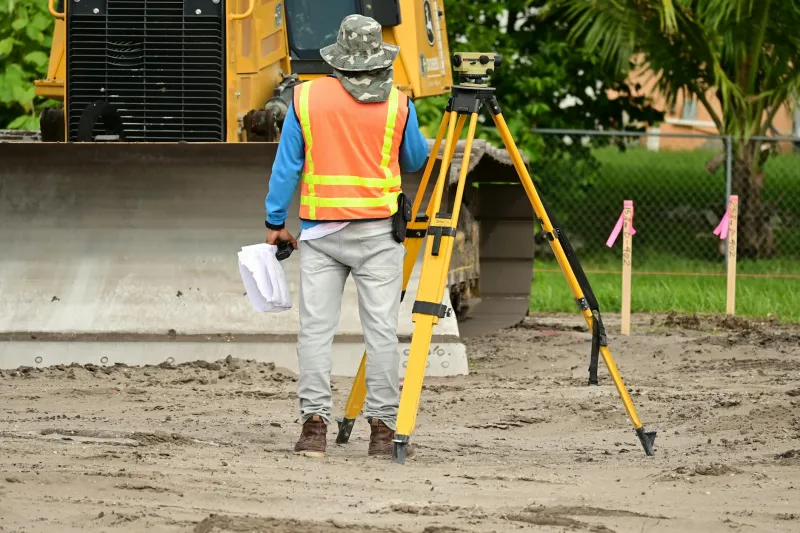
The trouble started when the Missouri State Highway Department decided to reroute Highway 71 around Beaver City. What should have been a straightforward infrastructure improvement turned into a geographical nightmare when surveyors made a critical error while establishing the new road boundaries.
The surveyors, working with outdated county maps, accidentally placed the entire town on the wrong side of a jurisdictional line. Due to a quirk in Missouri's territorial laws dating back to statehood, this seemingly minor mistake had massive implications. The error placed Beaver City in an unincorporated zone that technically fell outside any state or federal jurisdiction.
"One day we were Missourians, the next day we weren't anything at all," recalled longtime resident Martha Henderson in a 1970s interview. "The mailman didn't know where to deliver our letters, and the sheriff said he couldn't arrest anyone because he didn't have authority in 'foreign territory.'"
Life in Limbo
For the residents of Beaver City, the accidental secession created a bizarre parallel universe where normal life continued but official life ground to a halt. The local post office stopped delivering mail after postal inspectors declared the area "jurisdictionally ambiguous." The county sheriff's department stopped responding to calls, citing legal concerns about operating outside their territory.
Most remarkably, the town's small bank found itself in regulatory purgatory. Federal banking inspectors couldn't examine the institution because it was no longer technically in the United States, while state regulators claimed they had no authority over a "foreign" entity. For three weeks, the Beaver City Farmers Bank operated in complete regulatory freedom – probably the only bank in American history to exist in a genuine legal vacuum.
Local businesses embraced the absurdity with surprising humor. The town's only diner started advertising "International Cuisine" and charged customers in "Beaver Bucks" – regular dollars with the owner's stamp. The local barber hung a sign reading "Diplomatic Immunity Haircuts – No Extradition."
The Government Scrambles
Meanwhile, in Washington and Jefferson City, government officials were quietly having a collective panic attack. The State Department worried about the precedent of an American territory accidentally declaring independence, even if unintentionally. The Justice Department debated whether federal laws applied to the zone. The IRS wondered if they could still collect taxes from non-existent Americans.
The situation became even more complicated when a local newspaper reporter caught wind of the story. Suddenly, national media descended on Beaver City, eager to cover America's newest "breakaway republic." Time magazine sent a photographer, and CBS Radio dispatched a correspondent to interview the "foreign" residents.
"We had more reporters than residents for about a week," remembered Mayor Frank Kowalski. "They kept asking me about our foreign policy and whether we planned to join the United Nations. I told them our biggest international concern was getting the mail delivered."
The Quiet Fix
Rather than create a public spectacle, federal officials chose to handle the crisis with bureaucratic sleight of hand. Working through the night, teams of surveyors quietly re-measured the boundaries and "discovered" that their original calculations had been incorrect. New maps were drawn, placing Beaver City firmly back within Missouri's borders.
The correction happened so quietly that many residents only learned about it when mail delivery resumed. No official announcement was ever made. The highway construction continued as planned, and within months, the new road was complete.
The Legend Lives On
To this day, former residents and local historians debate whether the secession was real or just an administrative hiccup blown out of proportion. Official records from the period remain mysteriously sparse, with many documents either lost or still classified.
What's undeniable is that for a few strange weeks in 1949, a small Missouri town existed in a legal limbo that challenged everything Americans thought they knew about citizenship, sovereignty, and the power of a surveyor's mistake.
The highway that caused all the trouble still runs past where Beaver City once stood. The town itself was eventually absorbed into the growing Kansas City metropolitan area, but old-timers in the region still tell stories about the summer when Missouri got a little smaller, and America temporarily lost a piece of itself to a road construction project gone wrong.
Sometimes the most extraordinary events happen not because someone planned them, but because someone made a very ordinary mistake with very extraordinary consequences.