The Post Office Rebellion: When Wyoming Ranchers Declared Independence Over Mail Delivery
When Mail Delivery Became a Matter of National Security
Imagine opening your morning newspaper to discover that part of your state had just declared independence from the United States. Not because of taxation without representation or civil rights violations, but because the federal government wanted to close a tiny post office. This isn't the plot of a quirky Hollywood comedy—it's exactly what happened in Moose, Wyoming, in 1977.
The story sounds like something out of a satirical novel, but it's completely true. A community of fewer than 100 residents, mostly ranchers and Yellowstone National Park workers, managed to create an international incident over mail delivery that had federal officials scrambling to figure out how to handle their first domestic secession crisis since the Civil War.
The Spark That Lit the Rebellion
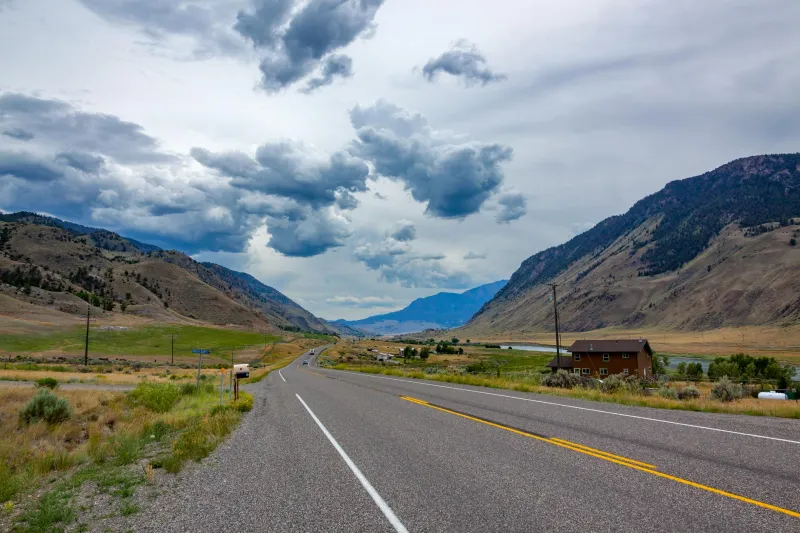
Moose, Wyoming, sits in the shadow of the Grand Teton mountains, a picturesque community that serves as a gateway to both Grand Teton and Yellowstone National Parks. In the mid-1970s, the U.S. Postal Service was looking to cut costs by consolidating rural post offices. Their efficiency experts determined that the Moose post office, serving a tiny population scattered across a vast area, was economically unsustainable.
To postal bureaucrats in Washington, it made perfect sense. Residents could drive the extra 20 miles to Jackson to collect their mail. But to the people of Moose, this wasn't just about convenience—it was about survival.
For ranchers dealing with cattle in sub-zero temperatures and park workers managing one of America's most challenging wilderness areas, that extra 40-mile round trip in brutal Wyoming winters could mean the difference between receiving critical supplies and medication or going without. The post office wasn't just a building; it was a lifeline.
The Declaration of Independence, Wyoming Style
When polite protests and petitions fell on deaf ears, the residents of Moose decided to get creative. Led by local rancher and unofficial town spokesman Dick Barker, they drafted a formal declaration of secession from the United States of America.
The document, written with the kind of frontier humor that defines Wyoming culture, declared Moose to be the independent "Republic of Moose." They appointed Barker as their first president, established their own currency (Moose Dollars), and even designed a flag featuring the town's namesake animal.
But here's where the story gets truly bizarre: they filed all the paperwork properly. The secession declaration was submitted through official channels to the State Department, complete with legal justifications and formal diplomatic language. They weren't just staging a publicity stunt—they were conducting what appeared to be a legitimate act of international diplomacy.
Washington's Diplomatic Nightmare
The federal government found itself in an unprecedented position. How do you handle a secession that follows all the proper legal procedures but is obviously motivated by postal policy rather than genuine political grievance?
State Department officials initially tried to ignore the situation, hoping it would blow over. But the Republic of Moose wasn't backing down. They began issuing their own stamps, printing currency, and even started charging "customs duties" to visitors entering their newly sovereign territory.
The situation became even more complicated when other small towns across the American West began expressing solidarity with Moose's cause. Suddenly, what had started as one tiny town's rebellion was threatening to inspire a broader rural uprising against federal authority.
The Power of Absurd Persistence
The breakthrough came when President Barker received an official diplomatic communication from the State Department—addressed to "His Excellency, the President of the Republic of Moose." Federal officials had inadvertently legitimized the micro-nation by treating it as a genuine diplomatic entity.
Armed with this official recognition, Barker began conducting formal negotiations with postal service representatives. The talks, conducted with all the pomp and circumstance of international diplomacy, focused on the critical issue of mail delivery to sovereign Moose territory.
The absurdity of the situation wasn't lost on anyone involved. Here were federal officials, trained in complex international relations, sitting across from a Wyoming rancher discussing postal routes as if they were negotiating a treaty between superpowers.
Victory Through Bureaucratic Confusion
After months of "diplomatic negotiations," the federal government finally capitulated. The Postal Service agreed to keep the Moose post office open, and the Republic of Moose formally rejoined the United States in a ceremony that featured more laughter than patriotic solemnity.
The victory wasn't just symbolic. The post office remains open today, nearly five decades later, serving the same small community that was willing to secede from their own country to protect it. The building has become something of a tourist attraction, with visitors often surprised to learn they're looking at the site of America's most successful micro-rebellion.
The Lesson in Small-Town Stubbornness
The Moose secession reveals something profound about American democracy and the power of creative civil disobedience. By taking their protest to its logical extreme, a handful of Wyoming residents exposed the absurdity of bureaucratic decision-making that ignored local needs and conditions.
Their success came not from violence or threats, but from persistent, well-organized absurdity that forced federal officials to confront the human cost of their efficiency measures. In the end, the Republic of Moose proved that sometimes the most effective way to fight the system is to out-bureaucrat the bureaucrats.
Today, visitors to Moose can still mail letters from the post office that sparked an international incident. The stamps don't say "Republic of Moose" anymore, but locals will happily tell you about the time their tiny town declared independence from America—and won.