Barrels of Syrup and a Handshake: The Sticky Deal That Built a Georgia Railroad
There's a version of American frontier history that gets told in business schools — the one about hard-nosed negotiations, ironclad contracts, and the relentless march of industrial capitalism. Then there's the version that actually happened in places like rural Georgia in the 1880s, where a group of farmers once talked a railroad company into rerouting its line by showing up with a wagon full of sorghum molasses and a lot of nerve.
That story doesn't make it into many textbooks. But it probably should.
A Town on the Wrong Side of Progress
By the 1880s, the railroad wasn't just a convenience in the American South — it was survival. Towns that landed on a rail line got access to markets, supplies, and a future. Towns that didn't got left behind, sometimes literally erased from the map within a generation as their populations drifted toward wherever the trains stopped.
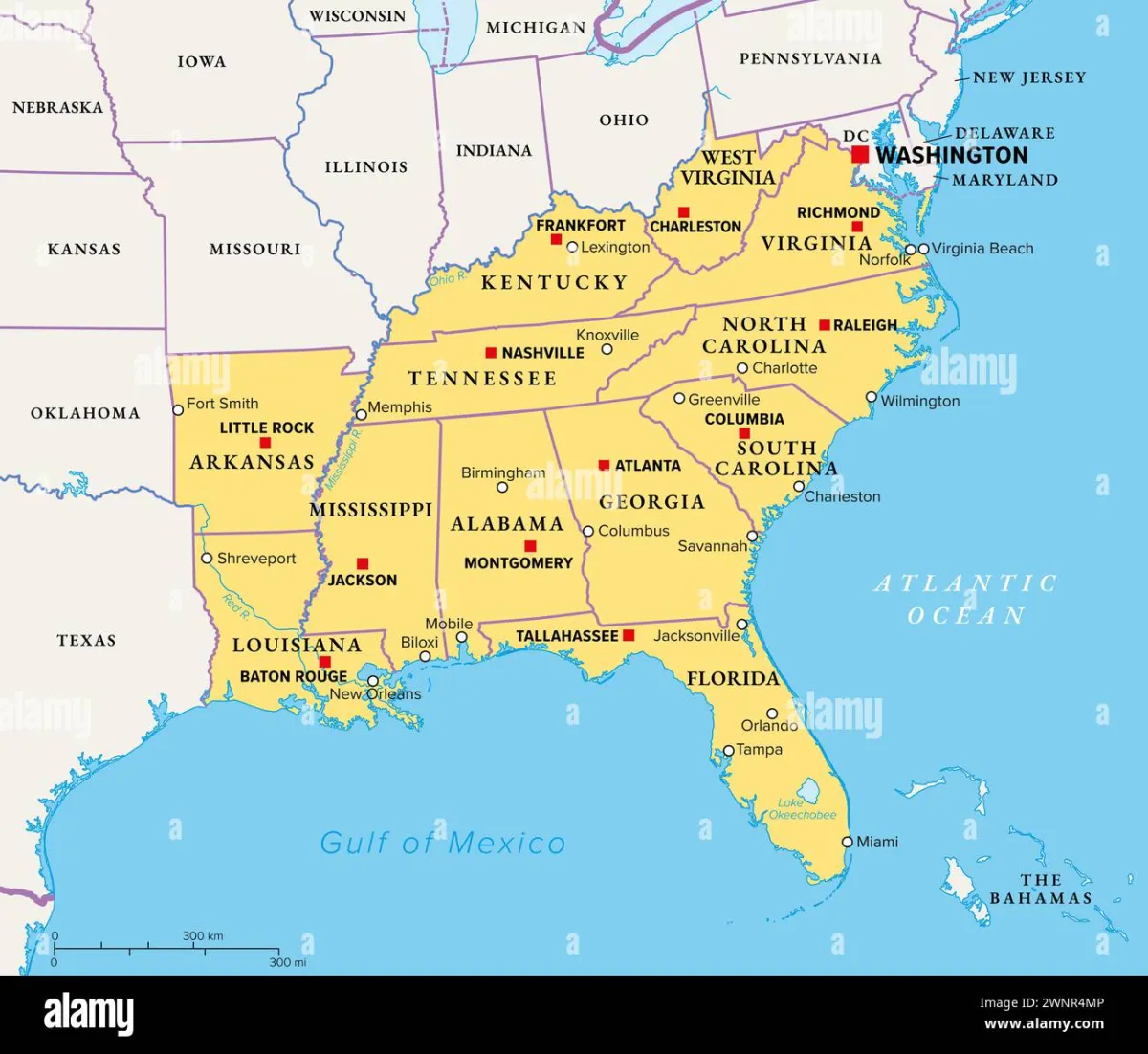 Photo: American South, via c8.alamy.com
For one small farming community in rural Georgia — the kind of place built around a general store, a church, and collective stubbornness — the prospect of being bypassed by an expanding rail line was existential. The nearest proposed route would pass several miles away, close enough to taunt them but too far to do any real good. Farmers couldn't haul their crops that distance efficiently, and without efficient transport, there was no economic future worth speaking of.
The town had limited options. They had no significant cash reserves to offer as incentives. They had no political connections powerful enough to redirect a corporate infrastructure decision. What they did have, in considerable quantity, was sorghum molasses — the thick, dark sweetener that Southern farms produced in abundance and that held real, if modest, commodity value in regional trade.
Somebody — local legend never quite agrees on who — decided that was enough to work with.
The Negotiation Nobody Expected to Work
The pitch, by modern standards, sounds less like a business negotiation and more like a dare. A delegation from the town approached representatives of the rail company and offered a commitment of sorghum molasses — multiple barrels, sourced from local farms — as partial consideration for rerouting the line through their community rather than around it.
The rail company's surveyors and decision-makers, to put it charitably, were not expecting this.
What made the offer land, historians who've examined similar frontier-era deals suggest, wasn't really the molasses itself. It was the combination of factors surrounding it: the reroute in question was relatively minor in engineering terms, the goodwill of local farming communities was genuinely valuable to railroad companies trying to expand through unfamiliar territory, and the symbolic gesture of an entire community pooling its most accessible resource carried a kind of earnest weight that cash sometimes didn't.
Railroad expansion in the post-Civil War South was also a messier, more improvised process than its mythology suggests. Companies were making hundreds of small routing decisions, often based on incomplete surveys and local input. A community that showed up, organized, and offered something — anything — was already ahead of communities that simply waited and hoped.
The molasses deal went through. The line was rerouted. The town got its railroad stop.
What a Barrel of Syrup Actually Bought
The economic impact was immediate and lasting. With rail access, local farmers could move their crops to regional markets at a fraction of the previous cost. Merchants could receive goods without the ruinous markups that came from long-haul wagon transport. The town didn't become a major commercial hub, but it survived — and in the brutal economic winnowing of late 19th-century rural America, survival was no small thing.
The molasses itself, once delivered, likely ended up being resold, consumed, or distributed among railroad workers — a perfectly ordinary fate for an extraordinary transaction. There's a satisfying irony in the fact that the commodity that secured the deal was itself a byproduct of the agricultural economy the railroad was meant to serve.
The Bigger Pattern Behind the Sticky Story
What makes this story more than a charming footnote is what it reveals about how frontier-era America actually functioned beneath its formal economic surface. The official history of railroad expansion is written in bond offerings, land grants, and congressional lobbying. The real history, at the community level, was often written in informal arrangements, handshake agreements, and transactions that would make a modern contract lawyer's eye twitch.
Railroad companies in this period were simultaneously enormous corporate enterprises and remarkably ad hoc operations at the local level. Decisions that look, in retrospect, like they should have required boardroom approval were often made by regional managers and surveyors acting on instinct, local knowledge, and whatever goodwill they could cultivate.
In that environment, a community willing to organize itself around even a modest tangible offer had real leverage. The molasses wasn't the point. The demonstration of collective will — the fact that an entire town had pooled its resources and shown up — was the actual currency.
It's a lesson that applies well beyond the 1880s: sometimes the strangest offer at the table is the one that closes the deal, not because of its monetary value, but because of what it signals about the people making it.
And somewhere in rural Georgia, a railroad line still runs through a town that wouldn't have survived without a few barrels of syrup and the audacity to think that was enough.