This Texas Town Elected a Beer-Drinking Goat Mayor — and Then Had to Call the Cops to Protect Him
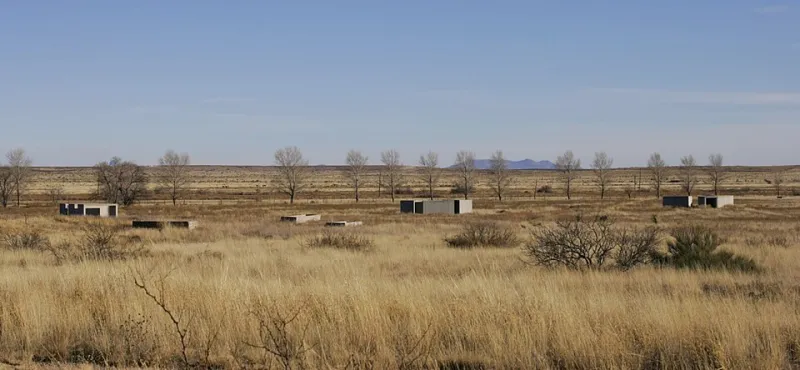
Photo: kerinin, CC BY-SA 2.0, via Wikimedia Commons
Lajitas, Texas is the kind of place that makes you reconsider your assumptions about what a town is supposed to be. It sits in the Big Bend region of far West Texas, roughly three hours from the nearest major city, surrounded by desert scrub, canyon walls, and a whole lot of nothing. The population hovers somewhere in the low dozens depending on the season. There is no traffic. There is no particular reason for most people to go there.
 Photo: Big Bend, via cdn.audleytravel.com
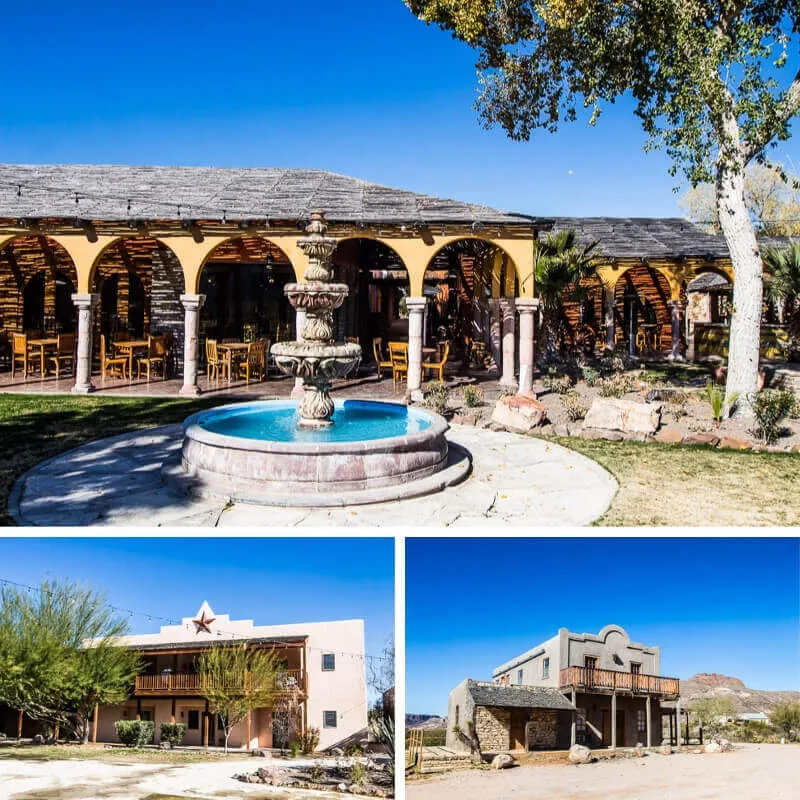 Photo: Lajitas, Texas, via www.ytravelblog.com
And yet, for several decades, Lajitas has maintained one of the most reliably bizarre political traditions in the United States: electing a goat as its honorary mayor. Not metaphorically. An actual goat. One that drinks beer.
The Dynasty Begins
The original Clay Henry arrived in Lajitas sometime in the 1980s, when the town was being developed as a tourist resort by a series of owners who understood that remote West Texas needed a hook. Clay Henry provided one. The goat had developed a taste for beer — cold, preferably — and would accept longnecks from anyone willing to offer them, tilting his head back and draining the bottle with a composure that many human drinkers would envy.
The locals started calling him mayor. Then someone made it official, in the loose, ceremonial way that small towns make things official. Clay Henry was elected honorary mayor of Lajitas, a title that came with no salary, no responsibilities, and unlimited access to cold beer from tourists who thought this was the greatest thing they had ever seen.
Clay Henry died eventually, as goats do. Clay Henry Jr. took over, inheriting both the title and the taste for beer. When Clay Henry Jr. passed, Clay Henry III assumed the office. The dynasty was unbroken. The tradition deepened. Lajitas leaned into it completely.
The Crisis of 2002
For years, the Clay Henry mayoralty was a beloved quirk — the kind of thing that got Lajitas written up in travel magazines and Texas Monthly, the kind of thing that made people drive three hours through the desert just to hand a goat a Lone Star and take a photograph. It was harmless, charming, and genuinely funny in a way that required no exaggeration.
Then, on Easter Sunday 2002, a local man named Jim Bob Hargrove had apparently been doing some drinking of his own. According to reports, Hargrove took offense at the goat's status — the specific nature of his grievance has never been entirely clear, though alcohol seems to have been a contributing factor — and attacked Clay Henry III. The assault left the goat seriously injured.
What happened next was not what anyone expected. The story got out. National media picked it up. The image of a small West Texas town's beer-drinking goat mayor being assaulted by a local man proved irresistible to newsrooms across the country. CNN covered it. Late-night hosts mentioned it. Hargrove faced criminal charges for animal cruelty, and the resulting coverage was, by any reasonable measure, the most attention Presidio County had received from the national press in living memory.
Clay Henry III recovered. Hargrove was convicted. The town rallied around its mayor with a protectiveness that surprised even some of the locals.
What Lajitas Actually Figured Out
The easy reading of this story is that it's just a funny Texas oddity — and it is that, genuinely. But there's something worth examining underneath the absurdity.
Lajitas, without a goat, is a tiny, remote desert outpost with no particular claim on anyone's attention. With a goat mayor who drinks beer, it becomes a destination. People go specifically to see Clay Henry. They buy merchandise. They stay overnight. They eat at the restaurant and drink at the bar and tell everyone they know about the goat. The tradition, however silly it started, became the economic engine of the place.
This is not unique to Lajitas. Americana is full of small communities that have built identity — and with it, tourism dollars — around something that started as a joke or an accident. Rabbit Hash, Kentucky has elected a series of dogs as mayor for decades, including a French bulldog named Wilbur who won in 2020. Cormorant, Minnesota elected a dog named Duke four consecutive times. The pattern is consistent: towns that commit fully to the bit tend to outlast towns that don't have one.
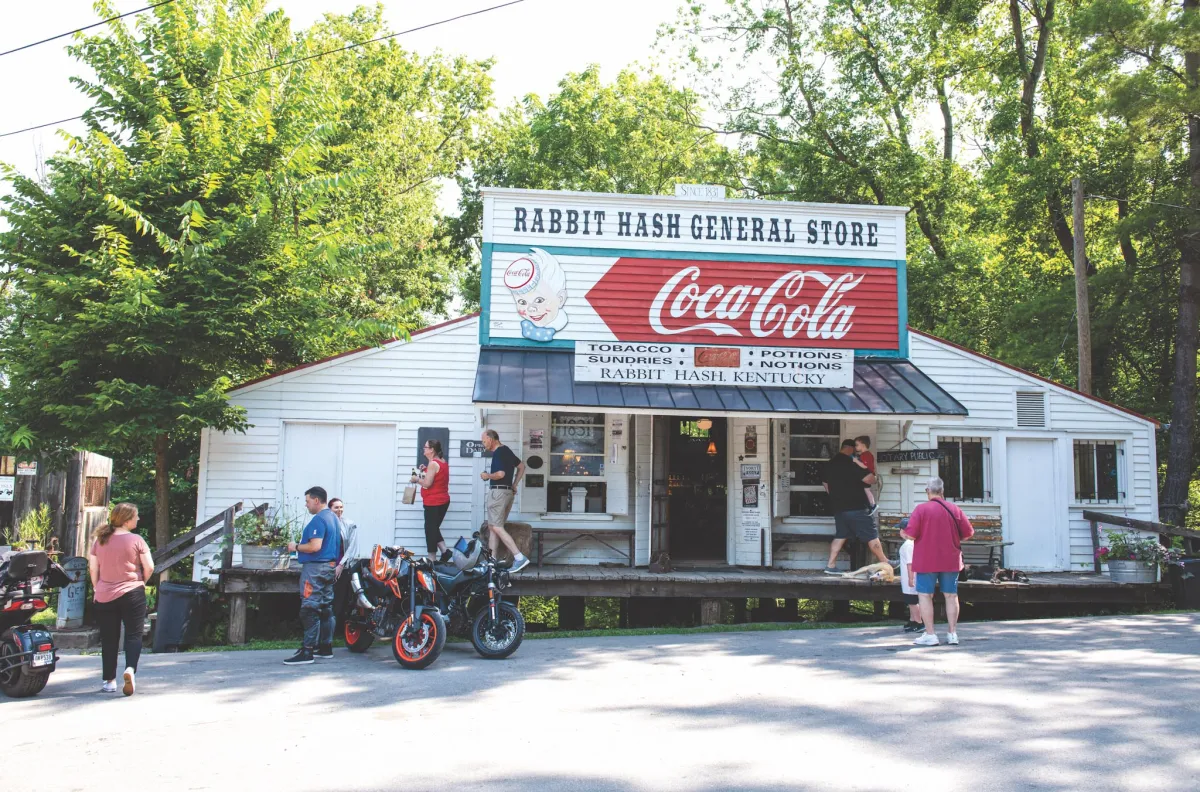 Photo: Rabbit Hash, Kentucky, via d2fxn1d7fsdeeo.cloudfront.net
Lajitas committed fully. And it worked.
The Goat Is Still in Office
As of the most recent reports, the Clay Henry line continues. The current holder of the title maintains the family tradition of accepting beer from visitors, posing for photographs, and performing the duties of the office — which, to be clear, remain entirely ceremonial and involve no legislative responsibilities whatsoever.
The town has leaned so hard into the identity that the goat is now the first thing most people know about Lajitas, ahead of its location, its history, or anything else about it. That's a remarkable achievement for a place that started the whole thing by accident.
Somewhere in the high desert of West Texas, a goat is accepting a cold beer from a tourist who drove three hours to make this happen. The tourist is delighted. The goat is unimpressed. The town is perfectly fine with both of those things.
This is, in the end, a story about civic identity — about how communities decide what they are and what they want to be remembered for. Lajitas chose a goat. History, it turns out, has been very kind to that decision.