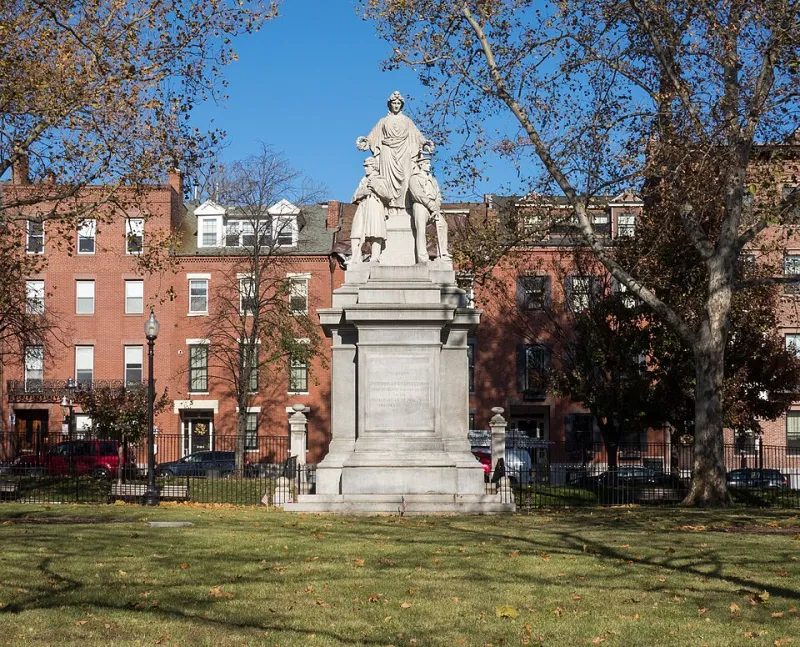
The Missouri Prison That Basically Ran the Whole Town — From Behind the Walls
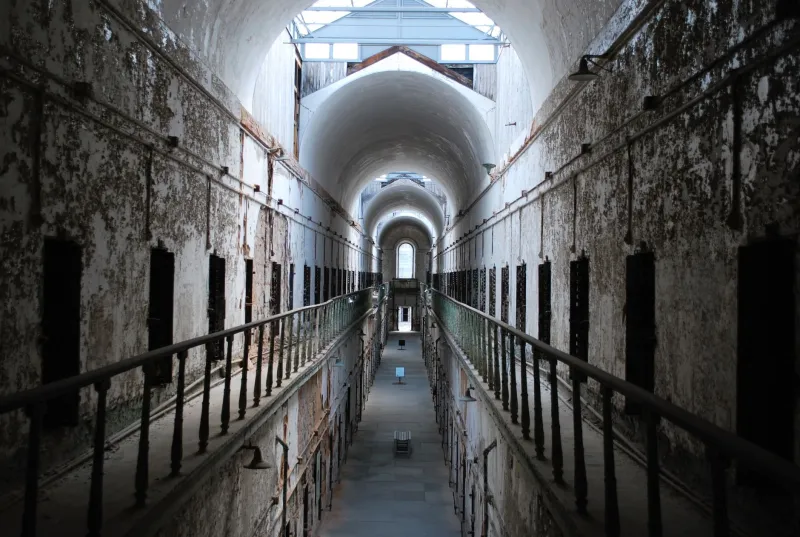
There's a version of this story that sounds like a pitch for a very strange TV show: a maximum-security prison, a small Missouri town, and a bureaucratic arrangement so loosely written that the people behind bars ended up, functionally, operating the community outside them.
Except it's not a TV show. It happened. And it lasted long enough that local officials had to have some very uncomfortable conversations about who, exactly, was in charge of what.
The System That Made It Possible
To understand how this happened, you need to understand convict leasing — one of the more uncomfortable chapters in American legal and labor history.
After the Civil War, many states developed systems that allowed private companies and local governments to contract the labor of incarcerated people. The prison got a fee. The contractor got a workforce that cost almost nothing. The prisoners got… very little. In some states, the conditions were catastrophic. In others, the arrangements were more prosaic but no less strange.
Missouri's version evolved through the late 19th and early 20th centuries into something that was, by the standards of the era, considered relatively regulated. The state penitentiary in Jefferson City — one of the oldest and largest in the country — had developed a sprawling labor contracting operation. Prisoners manufactured goods, did skilled trades work, and were leased to outside contractors for a range of projects.
 Photo: Jefferson City, via wallpaperaccess.com
On paper, it was a revenue program. In practice, it became something considerably weirder.
When the Walls Got Porous
By the early 1900s, the Jefferson City penitentiary's labor arrangements had expanded well beyond the walls. Inmates with specific skills — carpentry, masonry, plumbing, printing — were contracted to businesses and municipal projects throughout the surrounding area. The legal framework allowed for supervised off-site work details, and the supervision, in many documented cases, was minimal at best.
 Photo: Jefferson City penitentiary, via marketplace.canva.com
What this meant, practically speaking, was that a merchant on a Jefferson City street might hire a construction crew that was, without much fanfare, composed largely of state prisoners. A civic building project might be completed by workers who returned to a cell at night. Local infrastructure — sidewalks, drainage systems, public structures — bore the labor of men who were simultaneously being punished by the state that commissioned the work.
Local free workers, understandably, were not thrilled. Labor organizations pushed back against the practice throughout this period, arguing — accurately — that convict labor undercut wages and displaced legitimate employment. But the legal mechanisms for contracting that labor were firmly established, and dismantling them required legislative will that was slow to materialize.
The Part Where Nobody Knew Who Was Who
Here's where the story tips from troubling into genuinely surreal.
As the contracting arrangements multiplied, the administrative tracking of who was where and doing what became increasingly chaotic. Prison records from the period reflect a system straining under its own complexity. Work details were logged, but oversight in the field was inconsistent. Some prisoners on extended work contracts developed ongoing relationships with civilian employers — relationships that, in a few documented cases, continued informally even when official contracts lapsed.
There were instances where local business owners, asked to account for their workforce, couldn't clearly distinguish between free employees and contracted prison laborers. Not because they didn't care, but because the paperwork was a mess and the practical arrangements had blurred beyond easy categorization.
For a period, the town of Jefferson City had a labor ecosystem in which the distinction between "free citizen working" and "incarcerated person contracted to work" was, depending on which block you were standing on, genuinely unclear.
The Scramble to Untangle It
Pressure to reform the system built steadily through the first two decades of the 20th century. Labor unions, progressive reformers, and a growing number of state legislators who found the whole arrangement philosophically incoherent pushed for restrictions on off-site convict labor.
Missouri eventually passed legislation tightening the rules around prison labor contracting, limiting where prisoners could work and under what conditions. The sprawling off-site arrangements were gradually wound down. The penitentiary's labor operation was redirected inward — toward goods manufactured inside the walls rather than services rendered outside them.
But untangling the existing contracts and relationships took time. And in that gap, Jefferson City spent a few awkward years quietly sorting out which parts of its civic infrastructure had been, technically, operated by the people it was housing as punishment.
The Absurdity at the Center of It
What makes this story stick isn't the exploitation — though that's real and worth sitting with. It's the specific flavor of bureaucratic absurdity that allowed it to reach the point it did.
The state of Missouri was simultaneously punishing people for breaking its laws and relying on those same people to keep a neighboring town running. The legal framework that enabled it wasn't secret or underground — it was codified, regulated, and administered through official channels.
Somewhere in a Jefferson City records office, there are documents that capture the moment someone had to formally account for the fact that the prison's inmates had, through entirely legal means, become an essential part of the community the prison was supposed to be separate from.
It's a story about what happens when systems designed for one purpose get quietly repurposed for another — and nobody stops to ask whether any of it makes sense until the whole thing is already deeply, irreversibly weird.